Nationwide Heavy Haul and Vehicle Transport

Boat Shipping South Carolina, SC
  • Home
  • Blog
  • How Much Does Truck Transport Cost?

How Much Does Truck Transport Cost?

Boat Shipping South Carolina, SC
How Much Does Truck Transport Cost?

Truck transport cost usually ranges from about $575 to $1,275 for a standard pickup in 2026, while large commercial trucks can cost $2.00 to $4.50 per mile. Size creates the biggest difference because a pickup may fit on a standard auto carrier. A semi truck usually needs specialized equipment.

Current research places an average truck shipment at about $575 for trips below 500 miles. The average rises to $925 between 500 and 2,500 miles. Trips above 2,500 miles average about $1,275.

Modified pickups can cost hundreds more. Heavy commercial units can cost several thousand dollars because they may need a flatbed or lowboy. Knowing the truck's exact dimensions before requesting quotes prevents many pricing surprises.

What Is the Average Cost to Transport a Truck?

A standard pickup commonly costs $575 to $1,275 to transport within the United States in 2026. A recent 543-mile quote study placed open pickup shipping between $968 and $1,176. Enclosed quotes for the same full-size pickup ranged from $1,451 to $1,647.

Published average prices for truck shipping look like this:

Transport distance Average pickup cost
Less than 500 miles About $575
500 to 2,500 miles About $925
More than 2,500 miles About $1,275

These averages apply mainly to pickups that fit standard vehicle carriers.

A marketplace pricing guide reports about $4.15 per mile for truck moves below 100 miles. The reported average falls to about $1.40 per mile for trips below 1,000 miles.

This pricing pattern is normal. Short trips spread loading costs across fewer miles.

The shipping truck cost increases when the vehicle is taller than factory specifications. Extra width can create the same problem.

A normal half-ton pickup may fit a standard open carrier. A dually or heavily modified truck can require more trailer space.

How Does Truck Size Change the Price?

Truck size affects price because larger vehicles take more trailer capacity. A standard pickup already costs more than a sedan. Current 2026 data suggests a pickup often carries a 15% to 25% premium compared with a similar sedan shipment.

Edmunds reports the following average vehicle shipping costs:

Vehicle type Under 500 miles 500 to 2,500 miles Over 2,500 miles
Sedan $425 $725 $925
SUV $505 $825 $1,075
Truck $575 $925 $1,275

A truck therefore costs about $150 more than a sedan on trips below 500 miles in this comparison. The difference reaches about $350 on routes above 2,500 miles.

A full-size pickup uses more deck space than a compact car. It also adds more weight to the carrier.

A current pickup pricing study reports that trucks with a lift of four inches or more can add $150 to $400. Dual-rear-wheel trucks can cost 30% to 40% more than standard pickups.

Large bumpers can also change carrier fit. Oversized tires can raise the overall height.

The counterintuitive point is that purchase price matters less than physical dimensions. An inexpensive oversized truck can cost more to ship than a costly compact vehicle.

How Much Does Pickup Truck Transport Cost?

Pickup transport commonly ranges from about $700 to $1,450 on many medium and long routes in current 2026 pricing data. Standard trucks sit near the lower end. Heavy-duty pickups move higher because their length and weight reduce the number of vehicles a carrier can load.

A separate 2026 pricing guide places standard pickup shipping around:

Distance Typical open pickup range
500 miles $700 to $1,000
1,200 miles $850 to $1,250
2,000 miles $1,050 to $1,500
2,800 miles $1,350 to $1,800

These ranges are useful for budgeting rather than predicting an exact quote.

Current truck transport pricing changes with cab size. Bed length can also affect available trailer positions.

A crew-cab truck with a long bed may not fit the same slot as a shorter model. The driver can lose space that would otherwise hold another vehicle.

Pickup trucks should also be quoted with modifications disclosed. A transporter using factory dimensions may need to change the price after seeing a lifted truck.

How Much Does Semi Truck Transport Cost?

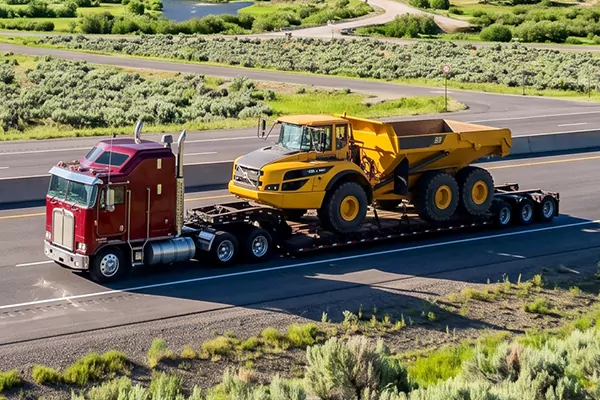
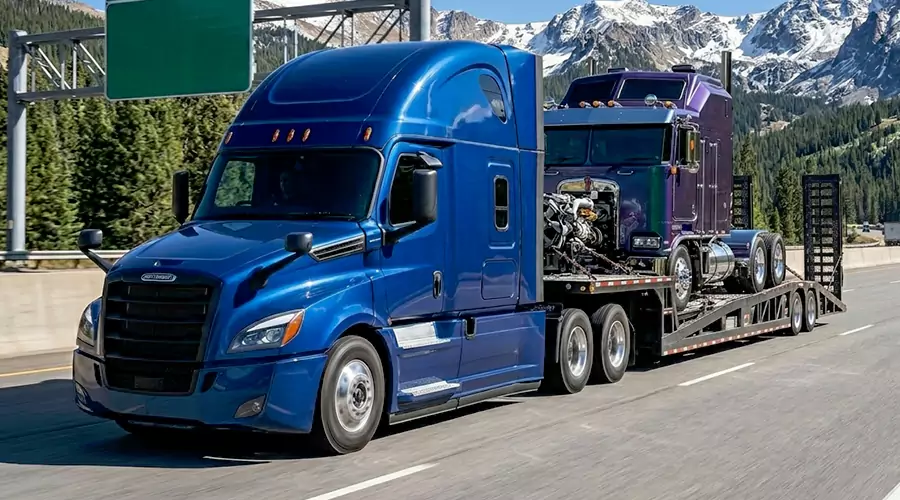
Semi truck transport commonly costs about $2.00 to $4.50 per mile when the tractor must ride on another trailer. The exact amount depends on operating condition and trailer type. A non-running tractor generally costs more because loading requires additional equipment.

The semi truck transport method differs from standard pickup shipping.

A tractor may require:

  • A flatbed trailer
  • A lowboy trailer
  • An RGN trailer
  • Driveaway service when roadworthy

Driveaway means a qualified driver operates the truck to its destination. Trailer transport keeps mileage off the tractor.

At $2.00 per mile, a 1,000-mile shipment creates a $2,000 starting figure.

At $4.50 per mile, the same distance reaches $4,500.

Those examples show why commercial truck estimates vary more than pickup quotes.

A non-running unit can cost more because the truck must be loaded onto equipment. A large sleeper cab can also change the trailer requirement.

Current semi truck transport service rates should identify whether the truck will be driven or hauled. Comparing those two prices without noting the method can be misleading.

How Much Does Box Truck Transport Cost?

Box truck pricing depends heavily on overall height and vehicle weight. Many box trucks cannot use a standard multi-car carrier. They often require flatbed equipment. This equipment difference can push the price above ordinary pickup shipping even when both vehicles travel the same distance.

A box truck transport quote should include the complete exterior height.

Measure from ground level to the highest permanent point. Include rooftop equipment when it cannot be removed.

Vehicle weight also matters. The transporter needs enough trailer capacity for the complete truck.

A small box truck may fit standard flatbed equipment. A large commercial unit can require a lower trailer deck.

The truck's running condition creates another price factor. An operable box truck can move into position more easily than a disabled unit.

The insider tip is to provide photographs with your measurements. Pictures help confirm cab shape and exterior equipment before dispatch.

Does Open or Enclosed Transport Cost Less?

Open transport costs less for most standard pickups because these carriers are more common. Enclosed equipment provides more exterior protection but reduces available capacity. Current pickup pricing research places the enclosed premium around 35% to 55% above comparable open service.

  • A standard working pickup rarely needs enclosed transport.
  • A restored show truck may justify the additional price. Custom paint can create another reason.
  • A recent 2026 quote study found open prices of $968 to $1,176 for a full-size pickup on a 543-mile trip. Enclosed prices ranged from $1,451 to $1,647 for the same truck.

That creates an enclosed premium of several hundred dollars.

Open truck transport usually provides the lowest common rate for standard pickups.

Large commercial vehicles are different. Many cannot fit enclosed auto trailers at all.

The best transport method must match the truck's measurements. Paying for enclosed service has little value when the truck cannot physically fit the equipment.

What Other Factors Change Truck Shipping Prices?

Truck shipping prices change with distance and operating condition. Trailer type matters as well. Pickup timing can create another price difference. Current market research shows modified or oversized trucks can add hundreds of dollars before mileage is considered.

Vehicle Condition

  • A running truck can usually drive onto a standard carrier.
  • A non-running vehicle may require winch loading. Locked wheels create a more difficult problem.

Tell the transporter if the transmission cannot enter neutral.

Modifications

Lift kits change total height.

One current pricing guide reports an added $150 to $400 for pickups lifted four inches or more. A lift above six inches can require specialty equipment.

Oversized bumpers can also change overall length.

Pickup Timing

A flexible pickup period gives the shipment more chances to match an active carrier.

A 24-hour or 48-hour pickup request can increase the price. One current guide reports expedited charges around $100 to $250.

Transport Method

Standard pickups can use open carriers.

Flatbed truck transport becomes more relevant when truck dimensions exceed normal auto-carrier capacity.

Commercial vehicles may require heavy transport equipment instead.

Operating Distance

Long trips cost more overall.

The rate for each mile usually falls as distance increases. This explains why a 2,000-mile shipment does not cost four times a 500-mile shipment.

What Warning Signs Can Make Truck Shipping More Expensive?

A risky truck quote may omit vehicle dimensions or use the wrong equipment type. Missing federal registration creates another concern. Interstate auto transport brokers and carriers must register with the Federal Motor Carrier Safety Administration. Consumers can verify the MC number through FMCSA records.

Check these ten warning signs:

  • The truck model is missing: Vehicle type affects the carrier setup.
  • No measurements appear: Modified trucks need accurate dimensions.
  • The transport method is unclear: Open shipping cannot be compared with flatbed hauling.
  • The MC number is missing: Interstate auto transport businesses should have the required FMCSA registration.
  • The business role is unclear: A broker arranges transportation while a carrier operates the transport vehicle.
  • The quote is far below every other offer: Ask what the price excludes.
  • Truck modifications are not recorded: A lift kit can change trailer fit.
  • The assigned carrier is unknown: Verify the business before pickup.
  • Insurance details are unavailable: Review cargo coverage before releasing the truck.
  • The pickup paperwork shows another price: Resolve the difference before handing over the keys.

Current commercial truck shipping can involve equipment beyond normal auto transport. Confirm the equipment type before comparing prices.

The cheapest quote can become expensive when the arriving trailer cannot carry the truck.

How Can You Estimate the Cost Yourself?

You can create a useful truck shipping estimate by identifying the truck class first. Then calculate highway mileage. Compare the result with current pickup or commercial benchmarks. This simple check helps identify a quote that sits far outside the expected 2026 range.

For a standard pickup:

  • Find the highway distance.
  • Identify the truck configuration.
  • Check for aftermarket modifications.
  • Choose open or enclosed transport.
  • Compare three written estimates.

A 1,000-mile standard pickup might cost around $900 to $1,200 based on current 2026 pricing ranges.

For heavy commercial transport, start with the published $2.00 to $4.50 per-mile range.

A 1,000-mile semi shipment could therefore create a rough $2,000 to $4,500 planning range.

That calculation is only a diagnostic. Trailer requirements can move the real quote outside the range.

Measure your truck before requesting estimates. Use the same dimensions with every company.

The truck transport interstate comparison should also use the same pickup window. One expedited quote cannot be fairly compared with flexible service.

When Should You Call a Professional Transporter?

Professional transport review is useful when the truck is lifted or oversized. It also matters for a dually or semi tractor. A transport specialist can determine whether a standard carrier fits the vehicle. Larger trucks may require flatbed or lowboy equipment before a valid quote can be prepared.

Contact a specialist when the truck exceeds normal auto-carrier dimensions.

A non-running commercial truck also needs equipment review.

Pickup truck transport companies should ask for the make and model before confirming a rate. Modified vehicles may require exact measurements.

A truck transport company should explain the equipment before pickup.

Current commercial truck transport companies may use flatbeds or specialized heavy-haul trailers for larger vehicles.

Ask for the assigned carrier's legal business name.

FMCSA advises consumers to verify the MC number for interstate auto transport businesses. Carriers also receive a USDOT number.

Request applicable cargo insurance information before pickup.

Heavy trucks also have different federal securement rules. FMCSA separates automobiles and light trucks weighing 10,000 pounds or less from heavy vehicles at 10,000 pounds or more.

Professional equipment selection becomes more important once the truck crosses that threshold.

How Can You Prevent Extra Truck Transport Charges?

You can reduce unexpected charges by providing correct dimensions before booking. Report lift kits and oversized tires in writing. Keep pickup dates flexible when possible. Accurate information gives the carrier a better chance of selecting suitable equipment before arriving at the truck.

Use this preparation schedule:

  • Two weeks before pickup: Request matching estimates.
  • One week before pickup: Confirm the truck dimensions.
  • Three days before pickup: Remove loose bed items.
  • Pickup day: Photograph the truck before loading.

One current pickup shipping guide reports that a five-to-ten-day pickup window can cost 10% to 15% less than a one-to-two-day window.

Remove loose items from an uncovered truck bed.

Photograph custom bumpers before transport.

Keep fuel near one-quarter tank when the carrier requests it. Added fuel increases transported weight.

Tell the carrier about a dually configuration before dispatch.

A truck transport service should receive the same specifications used to create the quote. Last-minute changes can force a different trailer.

Preventing one equipment mismatch can save a new dispatch charge. It can also prevent several days of delay.

Conclusion

Truck transport cost usually starts around $575 for shorter standard pickup shipments and can reach $1,275 or more on long routes. Semi trucks can cost $2.00 to $4.50 per mile because specialized equipment is often required. Vehicle size and modifications can raise the final amount. This week, measure your truck and compare three quotes using identical specifications before booking transport.

YOU MAY ALSO LIKE

Need Help?

One call solves it all.

Get Instant Quote